Myth

Botulinum Toxin Type A products are all the same.

Fact

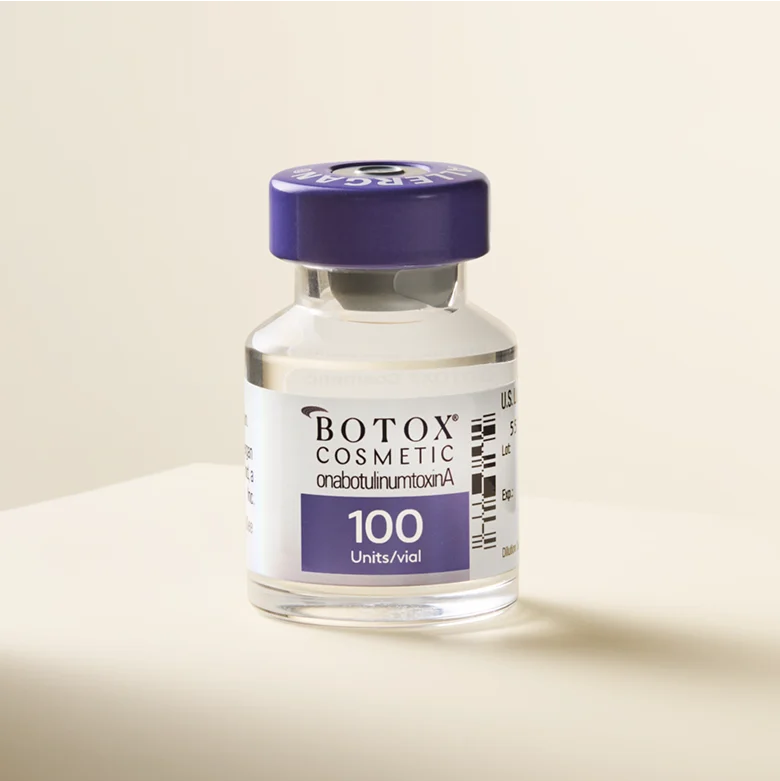
No two botulinum toxins are exactly the same—the process is the product.1,2

The potency Units of BOTOX® Cosmetic are specific to the preparation and assay method utilized.

Real BOTOX® Cosmetic patient.

Treated for the appearance of moderate to severe platysma bands.
Results may vary.

There are several factors in the process that make botulinum toxins different.1,3

  • The bacterial strain used to culture Botulinum Toxin Type A products is different1,2
  • The unique manufacturing process used to produce Botulinum Toxin Type A1
  • Proprietary unit potency assays used to test potency units of each product1,3

There is only one BOTOX® Cosmetic.

The starting materials are different.3-5

  • BOTOX® Cosmetic has a proprietary cell bank6

The manufacturing process is different.

  • A unique and proprietary manufacturing process yields a one-of-a-kind
    formulation1,3,6
  • Allergan Aesthetics owns end-to-end development, from drug substance development to manufacturing and distribution, rigorously ensuring its quality7
  • Even elements that may be similarly characterized are unique in the details, creating the complex “fingerprint” of the final product
The unit potency assay is different.
  • Proprietary unit testing methodologies unique to each Botulinum Toxin Type A make their dosing regimens not equivalent1,3,5
  • Allergan Aesthetics uses a unique cell-based assay to test for potency. It was the first of its kind and helps reduce the need for animal testing1,3
  • Incomparable characteristics might include the specific units approved for injection in the same area, the precise injection sites and depths, the duration of effect, and the diffusion profile of the neurotoxin6,9

Remember, the process is the product— that’s why all Botulinum Toxin Type A products
are not equivalent.1,2

The potency Units of BOTOX® Cosmetic are specific to the preparation and assay method utilized.
BOTOX® Cosmetic is not equivalent to other preparations of botulinum toxin products, and therefore, Units of biological activity of BOTOX® Cosmetic cannot be compared to nor converted into Units of any other botulinum toxin products assessed with any other specific assay method.

Resources to support you

01

Dosing and Injection Guide
02
Patient Brochure

More Myths vs Facts

BOTOX® Cosmetic IMPORTANT SAFETY INFORMATION, INCLUDING BOXED WARNING

BOTOX® Cosmetic (onabotulinumtoxinA) Important Information

Indications

BOTOX® Cosmetic (onabotulinumtoxinA) is indicated in adult patients for the temporary improvement in the appearance of:

- Moderate to severe glabellar lines associated with corrugator and/or procerus muscle activity

- Moderate to severe lateral canthal lines associated with orbicularis oculi activity

- Moderate to severe forehead lines associated with frontalis activity

- Moderate to severe platysma bands associated with platysma muscle activity


BOTOX® Cosmetic IMPORTANT SAFETY INFORMATION, INCLUDING BOXED WARNING

WARNING: DISTANT SPREAD OF TOXIN EFFECT

Postmarketing reports indicate that the effects of BOTOX® Cosmetic and all botulinum toxin products may spread from the area of injection to produce symptoms consistent with botulinum toxin effects. These may include asthenia, generalized muscle weakness, diplopia, ptosis, dysphagia, dysphonia, dysarthria, urinary incontinence, and breathing difficulties. These symptoms have been reported hours to weeks after injection. Swallowing and breathing difficulties can be life threatening and there have been reports of death. The risk of symptoms is probably greatest in children treated for spasticity, but symptoms can also occur in adults treated for spasticity and other conditions, particularly in those patients who have an underlying condition that would predispose them to these symptoms. In unapproved uses and approved indications, cases of spread of effect have been reported at doses comparable to those used to treat cervical dystonia and spasticity and at lower doses.

CONTRAINDICATIONS

BOTOX® Cosmetic is contraindicated in the presence of infection at the proposed injection site(s) and in individuals with known hypersensitivity to any botulinum toxin preparation or to any of the components in the formulation.

WARNINGS AND PRECAUTIONS
Lack of Equivalency Between Botulinum Toxin Products
The potency Units of BOTOX® Cosmetic are specific to the preparation and assay method utilized. BOTOX® Cosmetic is not equivalent to other preparations of botulinum toxin products, and therefore, Units of biological activity of BOTOX® Cosmetic cannot be compared to nor converted into Units of any other botulinum toxin products assessed with any other specific assay method.

Spread of Toxin Effect
Please refer to Boxed Warning for Distant Spread of Toxin Effect.

No definitive serious adverse event reports of distant spread of toxin effect associated with dermatologic use of BOTOX® Cosmetic at the labeled dose of 20 Units (for glabellar lines), 24 Units (for lateral canthal lines), 40 Units (for forehead lines with glabellar lines), 44 Units (for simultaneous treatment of lateral canthal lines and glabellar lines), and 64 Units (for simultaneous treatment of lateral canthal lines, glabellar lines, and forehead lines) have been reported. Patients or caregivers should be advised to seek immediate medical care if swallowing, speech, or respiratory disorders occur.

Serious Adverse Reactions With Unapproved Use

Serious adverse reactions, including excessive weakness, dysphagia, and aspiration pneumonia, with some adverse reactions associated with fatal outcomes, have been reported in patients who received BOTOX® injections for unapproved uses. In these cases, the adverse reactions were not necessarily related to distant spread of toxin, but may have resulted from the administration of BOTOX® to the site of injection and/or adjacent structures. In several of the cases, patients had preexisting dysphagia or other significant disabilities. There is insufficient information to identify factors associated with an increased risk for adverse reactions associated with the unapproved uses of BOTOX®. The safety and effectiveness of BOTOX® for unapproved uses have not been established.

Hypersensitivity Reactions

Serious and/or immediate hypersensitivity reactions have been reported. These reactions include anaphylaxis, serum sickness, urticaria, soft-tissue edema, and dyspnea. If such a reaction occurs, discontinue further injection of BOTOX® Cosmetic and immediately institute appropriate medical therapy. One fatal case of anaphylaxis has been reported in which lidocaine was used as the diluent and, consequently, the causal agent cannot be reliably determined.

Cardiovascular System

There have been reports following administration of BOTOX® of adverse events involving the cardiovascular system, including arrhythmia and myocardial infarction, some with fatal outcomes. Some of these patients had risk factors, including preexisting cardiovascular disease. Use caution when administering to patients with preexisting cardiovascular disease.

Increased Risk of Clinically Significant Effects With Preexisting Neuromuscular Disorders

Patients with neuromuscular disorders may be at increased risk of clinically significant effects, including generalized muscle weakness, diplopia, ptosis, dysphonia, dysarthria, severe dysphagia, and respiratory compromise from onabotulinumtoxinA (see Warnings and Precautions). Monitor individuals with peripheral motor neuropathic diseases, amyotrophic lateral sclerosis or neuromuscular junction disorders (eg, myasthenia gravis or Lambert-Eaton syndrome) when given botulinum toxin.

Dysphagia and Breathing Difficulties

Treatment with BOTOX® and other botulinum toxin products can result in swallowing or breathing difficulties. Patients with preexisting swallowing or breathing difficulties may be more susceptible to these complications. In most cases, this is a consequence of weakening of muscles in the area of injection that are involved in breathing or oropharyngeal muscles that control swallowing or breathing (see Boxed Warning). 

Preexisting Conditions at the Injection Site

Use caution when BOTOX® Cosmetic treatment is used in the presence of inflammation at the proposed injection site(s) or when excessive weakness or atrophy is present in the target muscle(s). 

Dry Eye in Patients Treated With BOTOX® Cosmetic

There have been reports of dry eye associated with BOTOX® Cosmetic injection in or near the orbicularis oculi muscle. If symptoms of dry eye (eg, eye irritation, photophobia, or visual changes) persist, consider referring patients to an ophthalmologist.

Human Albumin and Transmission of Viral Diseases

This product contains albumin, a derivative of human blood. Based on effective donor screening and product manufacturing processes, it carries a remote risk for transmission of viral diseases and variant Creutzfeldt-Jakob disease (vCJD). There is a theoretical risk for transmission of Creutzfeldt-Jakob disease (CJD), which would also be considered remote. No cases of transmission of viral diseases, CJD, or vCJD have ever been identified for licensed albumin or albumin contained in other licensed products.

ADVERSE REACTIONS

The most frequently reported adverse reactions following injection of BOTOX® Cosmetic for glabellar lines were eyelid ptosis (3%), facial pain (1%), facial paresis (1%), and muscular weakness (1%).


The most frequently reported adverse reaction following injection of BOTOX® Cosmetic for lateral canthal lines was eyelid edema (1%).


The most frequently reported adverse reactions following injection of BOTOX® Cosmetic for forehead lines with glabellar lines were headache (9%), brow ptosis (2%), and eyelid ptosis (2%).


The safety profile of BOTOX® Cosmetic treatment of platysma bands is consistent with the known safety profile of BOTOX® Cosmetic for other indications.


DRUG INTERACTIONS

Coadministration of BOTOX® Cosmetic and aminoglycosides or other agents interfering with neuromuscular transmission (eg, curare-like compounds) should only be performed with caution as the effect of the toxin may be potentiated. Use of anticholinergic drugs after administration of BOTOX® Cosmetic may potentiate systemic anticholinergic effects.


The effect of administering different botulinum neurotoxin products at the same time or within several months of each other is unknown. Excessive neuromuscular weakness may be exacerbated by administration of another botulinum toxin prior to the resolution of the effects of a previously administered botulinum toxin.


Excessive weakness may also be exaggerated by administration of a muscle relaxant before or after administration of BOTOX® Cosmetic.


USE IN SPECIFIC POPULATIONS

There are no studies or adequate data from postmarketing surveillance on the developmental risk associated with use of BOTOX® Cosmetic in pregnant women. There are no data on the presence of BOTOX® Cosmetic in human or animal milk, the effects on the breastfed child, or the effects on milk production.


Please see BOTOX® Cosmetic full Prescribing Information, including Boxed Warning and Medication Guide.

BOTOX® Cosmetic (onabotulinumtoxinA) Important Information

Indications

BOTOX® Cosmetic (onabotulinumtoxinA) is indicated in adult patients for the temporary improvement in the appearance of:

- Moderate to severe glabellar lines associated with corrugator and/or procerus muscle activity

- Moderate to severe lateral canthal lines associated with orbicularis oculi activity

- Moderate to severe forehead lines associated with frontalis activity

- Moderate to severe platysma bands associated with platysma muscle activity


BOTOX® Cosmetic IMPORTANT SAFETY INFORMATION, INCLUDING BOXED WARNING

WARNING: DISTANT SPREAD OF TOXIN EFFECT

Postmarketing reports indicate that the effects of BOTOX® Cosmetic and all botulinum toxin products may spread from the area of injection to produce symptoms consistent with botulinum toxin effects. These may include asthenia, generalized muscle weakness, diplopia, ptosis, dysphagia, dysphonia, dysarthria, urinary incontinence, and breathing difficulties. These symptoms have been reported hours to weeks after injection. Swallowing and breathing difficulties can be life threatening and there have been reports of death. The risk of symptoms is probably greatest in children treated for spasticity, but symptoms can also occur in adults treated for spasticity and other conditions, particularly in those patients who have an underlying condition that would predispose them to these symptoms. In unapproved uses and approved indications, cases of spread of effect have been reported at doses comparable to those used to treat cervical dystonia and spasticity and at lower doses.

CONTRAINDICATIONS

BOTOX® Cosmetic is contraindicated in the presence of infection at the proposed injection site(s) and in individuals with known hypersensitivity to any botulinum toxin preparation or to any of the components in the formulation.

WARNINGS AND PRECAUTIONS
Lack of Equivalency Between Botulinum Toxin Products
The potency Units of BOTOX® Cosmetic are specific to the preparation and assay method utilized. BOTOX® Cosmetic is not equivalent to other preparations of botulinum toxin products, and therefore, Units of biological activity of BOTOX® Cosmetic cannot be compared to nor converted into Units of any other botulinum toxin products assessed with any other specific assay method.

Spread of Toxin Effect
Please refer to Boxed Warning for Distant Spread of Toxin Effect.

No definitive serious adverse event reports of distant spread of toxin effect associated with dermatologic use of BOTOX® Cosmetic at the labeled dose of 20 Units (for glabellar lines), 24 Units (for lateral canthal lines), 40 Units (for forehead lines with glabellar lines), 44 Units (for simultaneous treatment of lateral canthal lines and glabellar lines), and 64 Units (for simultaneous treatment of lateral canthal lines, glabellar lines, and forehead lines) have been reported. Patients or caregivers should be advised to seek immediate medical care if swallowing, speech, or respiratory disorders occur.

Serious Adverse Reactions With Unapproved Use

Serious adverse reactions, including excessive weakness, dysphagia, and aspiration pneumonia, with some adverse reactions associated with fatal outcomes, have been reported in patients who received BOTOX® injections for unapproved uses. In these cases, the adverse reactions were not necessarily related to distant spread of toxin, but may have resulted from the administration of BOTOX® to the site of injection and/or adjacent structures. In several of the cases, patients had preexisting dysphagia or other significant disabilities. There is insufficient information to identify factors associated with an increased risk for adverse reactions associated with the unapproved uses of BOTOX®. The safety and effectiveness of BOTOX® for unapproved uses have not been established.

Hypersensitivity Reactions

Serious and/or immediate hypersensitivity reactions have been reported. These reactions include anaphylaxis, serum sickness, urticaria, soft-tissue edema, and dyspnea. If such a reaction occurs, discontinue further injection of BOTOX® Cosmetic and immediately institute appropriate medical therapy. One fatal case of anaphylaxis has been reported in which lidocaine was used as the diluent and, consequently, the causal agent cannot be reliably determined.

Cardiovascular System

There have been reports following administration of BOTOX® of adverse events involving the cardiovascular system, including arrhythmia and myocardial infarction, some with fatal outcomes. Some of these patients had risk factors, including preexisting cardiovascular disease. Use caution when administering to patients with preexisting cardiovascular disease.

Increased Risk of Clinically Significant Effects With Preexisting Neuromuscular Disorders

Patients with neuromuscular disorders may be at increased risk of clinically significant effects, including generalized muscle weakness, diplopia, ptosis, dysphonia, dysarthria, severe dysphagia, and respiratory compromise from onabotulinumtoxinA (see Warnings and Precautions). Monitor individuals with peripheral motor neuropathic diseases, amyotrophic lateral sclerosis or neuromuscular junction disorders (eg, myasthenia gravis or Lambert-Eaton syndrome) when given botulinum toxin.

Dysphagia and Breathing Difficulties

Treatment with BOTOX® and other botulinum toxin products can result in swallowing or breathing difficulties. Patients with preexisting swallowing or breathing difficulties may be more susceptible to these complications. In most cases, this is a consequence of weakening of muscles in the area of injection that are involved in breathing or oropharyngeal muscles that control swallowing or breathing (see Boxed Warning). 

Preexisting Conditions at the Injection Site

Use caution when BOTOX® Cosmetic treatment is used in the presence of inflammation at the proposed injection site(s) or when excessive weakness or atrophy is present in the target muscle(s). 

Dry Eye in Patients Treated With BOTOX® Cosmetic

There have been reports of dry eye associated with BOTOX® Cosmetic injection in or near the orbicularis oculi muscle. If symptoms of dry eye (eg, eye irritation, photophobia, or visual changes) persist, consider referring patients to an ophthalmologist.

Human Albumin and Transmission of Viral Diseases

This product contains albumin, a derivative of human blood. Based on effective donor screening and product manufacturing processes, it carries a remote risk for transmission of viral diseases and variant Creutzfeldt-Jakob disease (vCJD). There is a theoretical risk for transmission of Creutzfeldt-Jakob disease (CJD), which would also be considered remote. No cases of transmission of viral diseases, CJD, or vCJD have ever been identified for licensed albumin or albumin contained in other licensed products.

ADVERSE REACTIONS

The most frequently reported adverse reactions following injection of BOTOX® Cosmetic for glabellar lines were eyelid ptosis (3%), facial pain (1%), facial paresis (1%), and muscular weakness (1%).


The most frequently reported adverse reaction following injection of BOTOX® Cosmetic for lateral canthal lines was eyelid edema (1%).


The most frequently reported adverse reactions following injection of BOTOX® Cosmetic for forehead lines with glabellar lines were headache (9%), brow ptosis (2%), and eyelid ptosis (2%).


The safety profile of BOTOX® Cosmetic treatment of platysma bands is consistent with the known safety profile of BOTOX® Cosmetic for other indications.


DRUG INTERACTIONS

Coadministration of BOTOX® Cosmetic and aminoglycosides or other agents interfering with neuromuscular transmission (eg, curare-like compounds) should only be performed with caution as the effect of the toxin may be potentiated. Use of anticholinergic drugs after administration of BOTOX® Cosmetic may potentiate systemic anticholinergic effects.


The effect of administering different botulinum neurotoxin products at the same time or within several months of each other is unknown. Excessive neuromuscular weakness may be exacerbated by administration of another botulinum toxin prior to the resolution of the effects of a previously administered botulinum toxin.


Excessive weakness may also be exaggerated by administration of a muscle relaxant before or after administration of BOTOX® Cosmetic.


USE IN SPECIFIC POPULATIONS

There are no studies or adequate data from postmarketing surveillance on the developmental risk associated with use of BOTOX® Cosmetic in pregnant women. There are no data on the presence of BOTOX® Cosmetic in human or animal milk, the effects on the breastfed child, or the effects on milk production.


Please see BOTOX® Cosmetic full Prescribing Information, including Boxed Warning and Medication Guide.

References: 1. Brin MF, James C, Maltman J. Botulinum toxin type A products are not interchangeable: a review of the evidence. Biologics. 2014;8:227-241. 2. Daller J. Biosimilars: a consideration of the regulations in the United States and European Union. Regul Toxicol Pharmacol. 2016;76:199-208. 3. Samizadeh S, De Boulle K. Botulinum neurotoxin formulations: overcoming the confusion. Clin Cosmet Investig Dermatol. 2018;11:273-287. 4. Fang PK, Raphael BH, Maslanka SE, Cai S, Singh BR. Analysis of genomic differences among Clostridium botulinum type A1 strains. BMC Genomics. 2010;11:725. 5. Pickett A. Botulinum toxin as a clinical product: manufacture and pharmacology. In: Foster KA, ed. Clinical Applications of Botulinum Neurotoxin. Springer+BusinessMedia; 2014:7-49.Current Topics in Neurotoxicity; vol 5. 6. BOTOX® Cosmetic Prescribing Information, October 2024. 7. Data on file, Allergan Aesthetics, October 29, 2020; Westport Manufacturing Process. 8. Pellett S. Progress in cell based assays for botulinum neurotoxin detection. Curr Top Microbiol Immunol. 2013;364:257-285. 9. Brodsky MA, Swope DM, Grimes D. Diffusion of botulinum toxins. Tremor Other Hyperkinet Mov (N Y). 2012:2:tre-02-85-417-1.